
Learning to play padel is surprisingly quick – after just a few hours on the court you can hold real rallies and have a great time. But „playing” and „playing well” are two different things, and that’s exactly what this guide is about: what to expect, and how to get there.
How Long Does It Take to Learn Padel?
Padel has one of the gentlest learning curves of all racket sports. A smaller court, a slower ball, and walls that „forgive” poor shots mean you can actually play – not just drill – from your very first session. But how long does it realistically take to feel confident?
First Hours – You’re Already Playing and Laughing
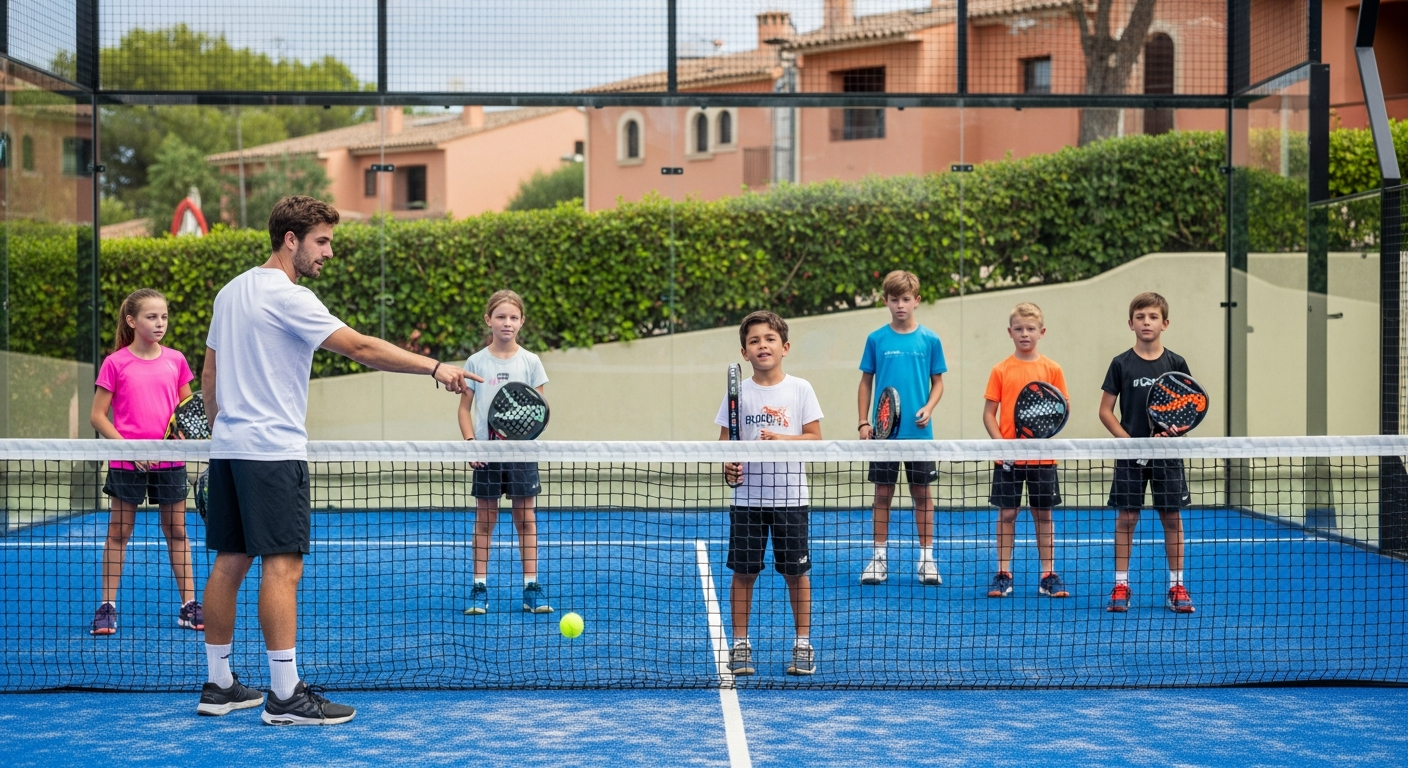
Your first 2–3 hours on court are usually a phase of intuitive discovery. Sometimes the ball goes exactly where you intended; sometimes it ricochets off the glass in a completely unexpected direction. You don’t yet know how to read that bounce – but that’s what makes it exciting. Most complete beginners can sustain a short rally within their very first session.
At this stage the most important thing is not to worry about technique – what counts is simply feeling the game and starting to build your first movement patterns.
After One Month of Regular Play – Building Your Rhythm
If you play twice a week for a month (roughly 8–10 sessions), you start to feel the court. You know more or less how the ball will behave after bouncing off the back glass, you begin to anticipate rallies, and you stop running around chaotically. The serve is no longer your main problem. You start attempting your first volleys and your first tactical positioning at the net.
After 3–6 Months – Conscious, Controlled Play
This is the point where padel stops feeling „random.” You play deliberately: you know when to attack, when to defend, you understand the difference between a bandeja and a lob. Partner tactics, communication, and shot selection in the right situation start to matter. Most regularly practising players reach this stage within 3–6 months – regardless of whether they previously played other racket sports.
| Stage | Time | What you’ll master |
|---|---|---|
| Beginner | 1–3 sessions | Ball contact, serve, short rallies |
| Foundations | 1–4 weeks | Rally rhythm, glass rebounds, positioning |
| Conscious player | 1–3 months | Tactics, volley, lob, playing as a pair |
| Advanced amateur | 6–12 months | Spin, rotation, strategy, consistency |
What Affects Your Learning Speed?
Time is only one part of the equation. Equally important is how you spend that time on the court.
Consistency – The Factor That Changes Everything
Muscles and the nervous system learn movements through repetition. If you play once every two weeks, your body „forgets” movements before they have a chance to become automatic. Playing twice a week – even for just an hour – produces far faster progress than one long session every week. This is a principle confirmed by coaches across every technical sport.
Who You Play With
Playing with stronger partners forces you to react faster, position better, and make decisions under pressure – and that accelerates learning. Don’t be afraid to play „above your level.” Playing exclusively with people at the same level as you can be satisfying, but it slows development. A good mix: one session with someone stronger, one with players at a similar level.
Coach or Self-Taught?
Self-teaching is possible and works fine at a recreational level. The problem is that you’ll reinforce mistakes that you can’t see yourself – a wrong grip, poor foot placement, mistimed swing. A few lessons with a coach at the start saves months of fighting bad habits. Studies in technical sports consistently show that early instruction dramatically shortens the time needed to reach a stable playing level.
Skills from Other Sports – Who Has the Advantage?
One of padel’s greatest strengths is that it welcomes almost any sporting background. Nearly every previous experience translates into something useful on court – just in different ways.
Tennis Players – Fast Start, but With a Trap
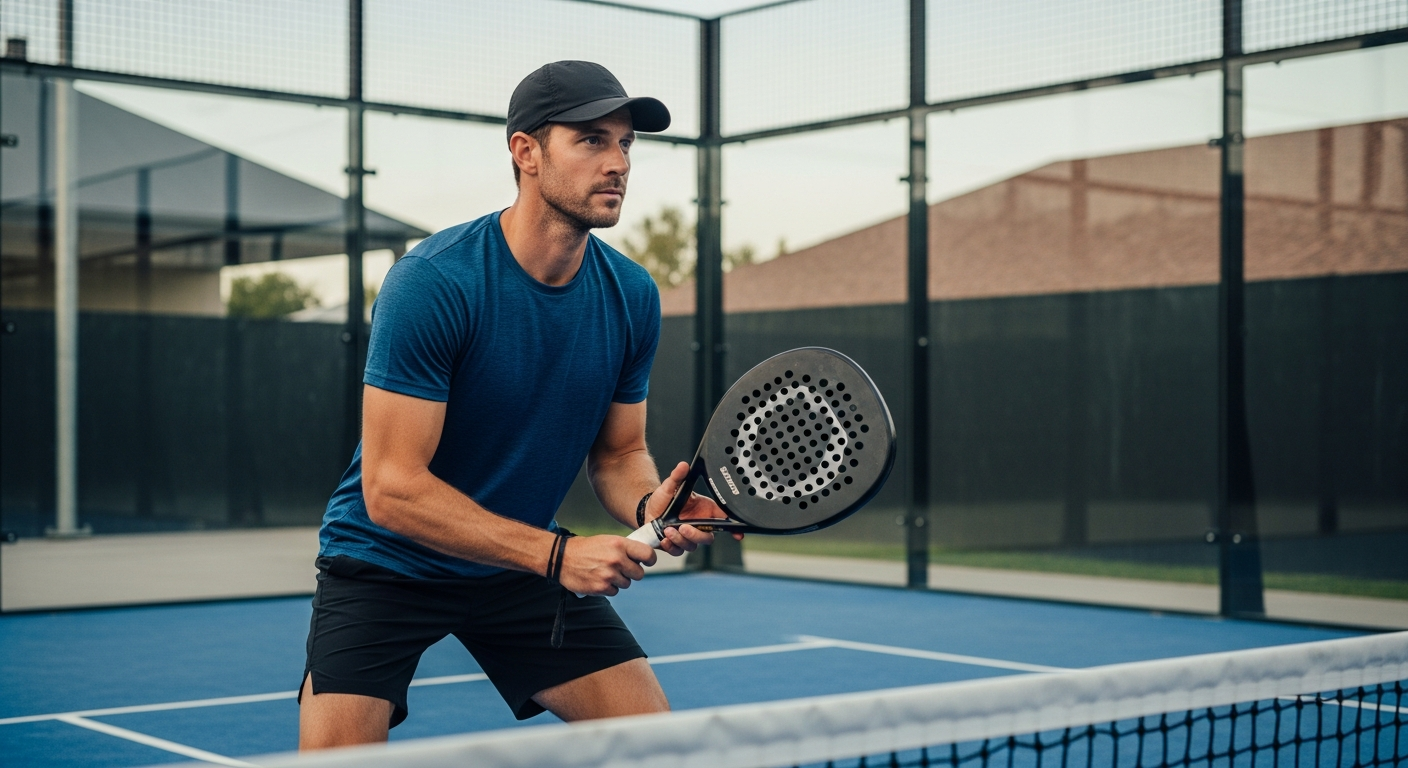
Tennis players have the biggest head start: they know the scoring, understand rally rhythm, have a trained eye for the ball, and know the key strokes – forehand, backhand, volley, smash. The padel serve is simpler than a tennis serve (hit underarm), so that’s one less thing to worry about.
There is a real trap, however: tennis players tend to hit far too hard. A smaller court and four walls mean a powerful shot often comes back to you in a worse position. Tennis players need to learn to play with control and use the walls as allies, not enemies. Adjustment typically takes a few weeks – but then progress accelerates rapidly.
Squash and Badminton Players – Reflexes and Footwork Above Average
Squash and badminton develop two things that are worth their weight in gold in padel: lightning-fast reflexes and sharp footwork. A squash player already understands the dynamics of a rebound off a wall – in padel they feel right at home near the bandas. A badminton player has a trained eye for net play and short, precise racket movements.
The challenge for both groups is adjusting to doubles play and communicating with a partner. Squash and badminton are solo or 1-on-1 sports – padel requires thinking for four and coordinating with someone else. It takes time, but it’s not difficult – after a few sessions together it comes naturally.
Footballers, Volleyball and Basketball Players – A Different Kind of Advantage
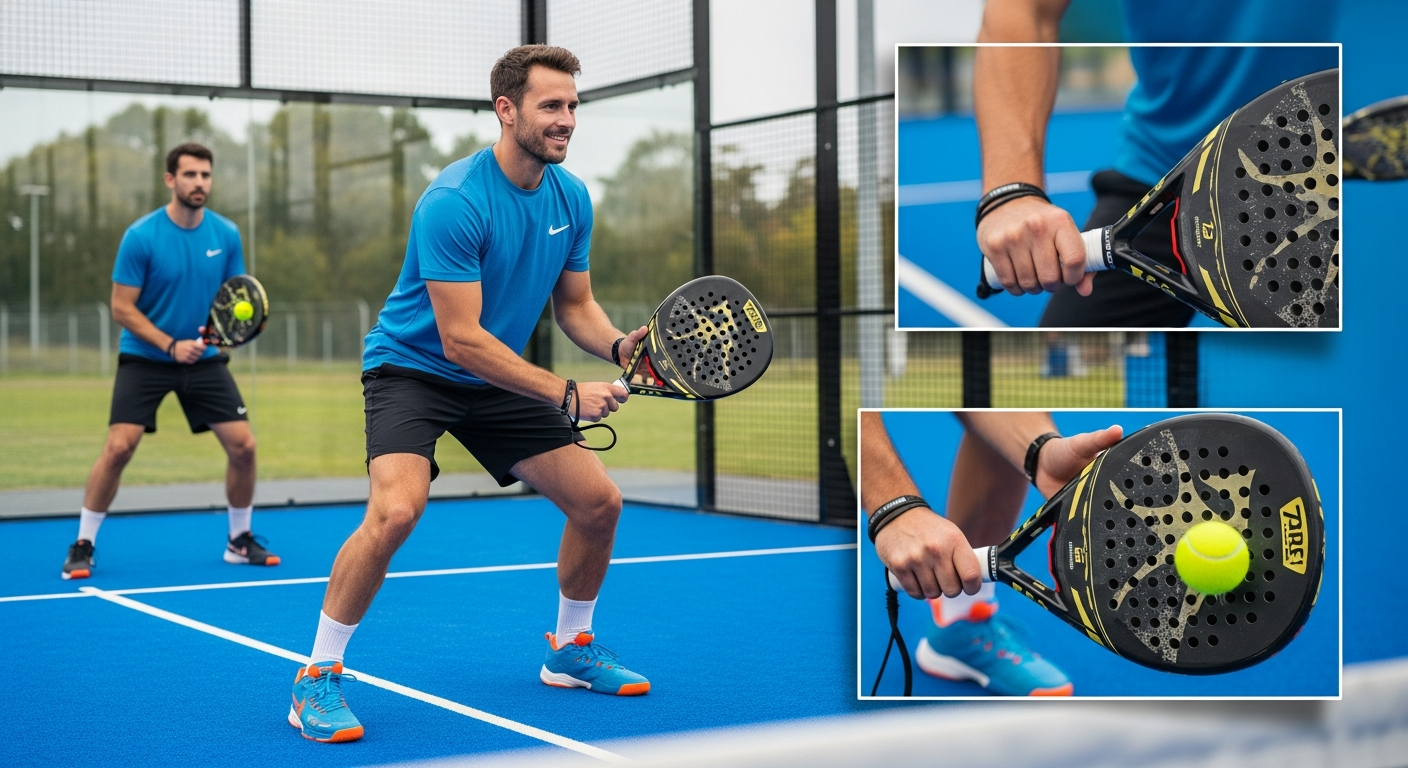
People with a team sport background (but no racket experience) also bring something valuable: spatial awareness and tactical thinking. A footballer instinctively looks for open space on the court, a volleyball player understands how to build an attack, a basketball player reads opponents’ movement. The „flow” of a point – switching from attack to defence and back – comes naturally to them.
What they lack is racket feel and ball contact. There are no shortcuts here – it simply takes hours on court. But the good news is that with a good coach and regular training, players without a racket background often catch up with – and overtake – tennis or squash players within a year.
Starting from Scratch? That Works Too
Having no sporting background at all is not an obstacle in padel. It’s a sport that welcomes everyone. The only difference is pace – reaching the level of conscious play may take you 4–5 months rather than 2–3. In return you have one advantage: you have no bad habits to unlearn. You start with a clean slate and learn padel technique from the ground up, with no need to „reprogram” movements from another sport.
Where to Start? A Practical Plan for Your First Weeks
Now you have a realistic picture of what to expect. Here’s a concrete plan for your first steps:
- Weeks 1–2: Get on court with a friend (or sign up for a beginner group session). Don’t worry about technique – just hit the ball and learn the court.
- Weeks 3–4: Book 1–2 individual lessons with a coach. A coach will fix your grip, serve, and basic strokes before bad habits get set in.
- Months 2–3: Play regularly, twice a week. Focus on net play and reading glass rebounds. Start thinking with your partner – where you each stand, who takes which ball.
- Month 4+: Join a recreational league or a regular group. The pressure of real matches dramatically speeds up progress.
Summary – Padel Is for You, Whatever Your Starting Point
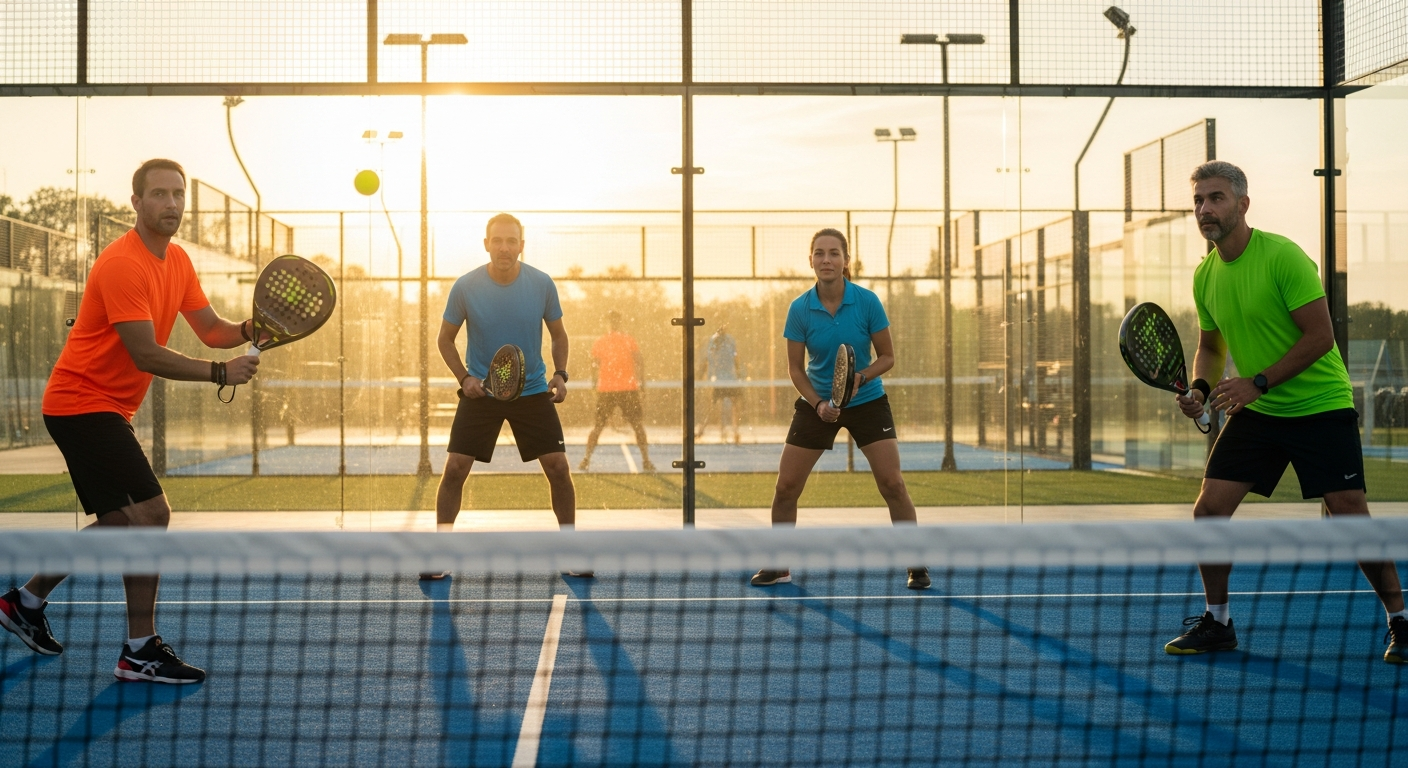
Learning padel is accessible to everyone – whether you have years of tennis behind you or have never picked up a racket in your life. The key is consistency, the courage to play with stronger players, and – ideally – a few hours with a good coach right from the start.
The fastest way to make a real quality leap in padel is through intensive training surrounded by more experienced players – and that’s exactly what a padel camp offers. At rakietycamps.pl you’ll find camps for all skill levels – from total beginners to ambitious amateurs. A few days of intensive play, quality coaching, and a great atmosphere does more for your game than months of occasional matches with friends. Check the dates and join us!
Sources
- How long does it take to learn padel: propadeljutrzenki.pl
- Beginner’s guide to starting padel: propadeljutrzenki.pl
- Transferring skills from tennis to padel: thepadelschool.com
- Padel vs Squash – racket sport comparison: redlinesportsclub.com
- Padel 101 – a beginner’s guide: padel39.com